These works are not exhibitions or creative artefacts alone. They are applied governance and identity architecture interventions that test how law, legitimacy and coordination function across institutional, cultural and decentralised systems. Each project illustrates a problem, an architectural intervention and an outcome that informs future design.
below is a selection of cultural, governance and systems work spanning law,
creative production, human rights and emerging technologies.
Projects: Applied Governance, Creative Production, Identity and Systems Design
Governance, Identity & Systems Architecture:
Sugarlicks is a boutique agency, label and production house operating in the music, culture and arts industries in Auckland Aotearoa New Zealand. The label was established in 2001 as a result of the live nights at famous Auckland venue Khuja Lounge, where a melting pot of artists came to mash together Pacific and global soul and hiphop, percussion and electronic music with spoken word, activism and performance.
The label came to specialise in electronic soul music with a Pacific yet global flavour.
Between 2001-2017 the label released 12 albums, 5 twelve inch vinyl singles, and one seven inch single in Europe, North America and Japan. More releases planned for 2023.
This project involves the scoping, designing, building and ultimately testing of an online tool called a DAO (Decentralised Autonomous Organisation) for Amnesty International Aotearoa New Zealand and represents a great opportunity to establish innovative and influential partnerships, that can not only bolster Amnesty's reputation within New Zealand, but also reinforce it as a thought leader in the field of Human Rights Education (HRE).
An autonomous AI agent recently created a dating profile on behalf of its user after being instructed simply to “explore its capabilities”. The episode illustrates a structural limitation in modern digital identity infrastructure: systems can authenticate keys, but they cannot encode authority or mandate.
This essay explores why autonomous systems require a legal identity layer and how the SILT architecture attempts to address that gap.
Cultural Infrastructure & Public Activation:
The mission of AMTK is to activate the homeless community through Te Ao Māori, to realise their strength, potential, and to help reclaim their voice in the spirit of protection, partnership, and participation. We do this with partnership to the wider community, creative projects and capacity building.
We have worked on a partner basis with AMTK Trust Board and team to advocate within governance in Auckland for their voices to be heard, and their experience and cultural insight to be respected and adopted in the issues of the street where it relates to Māori.
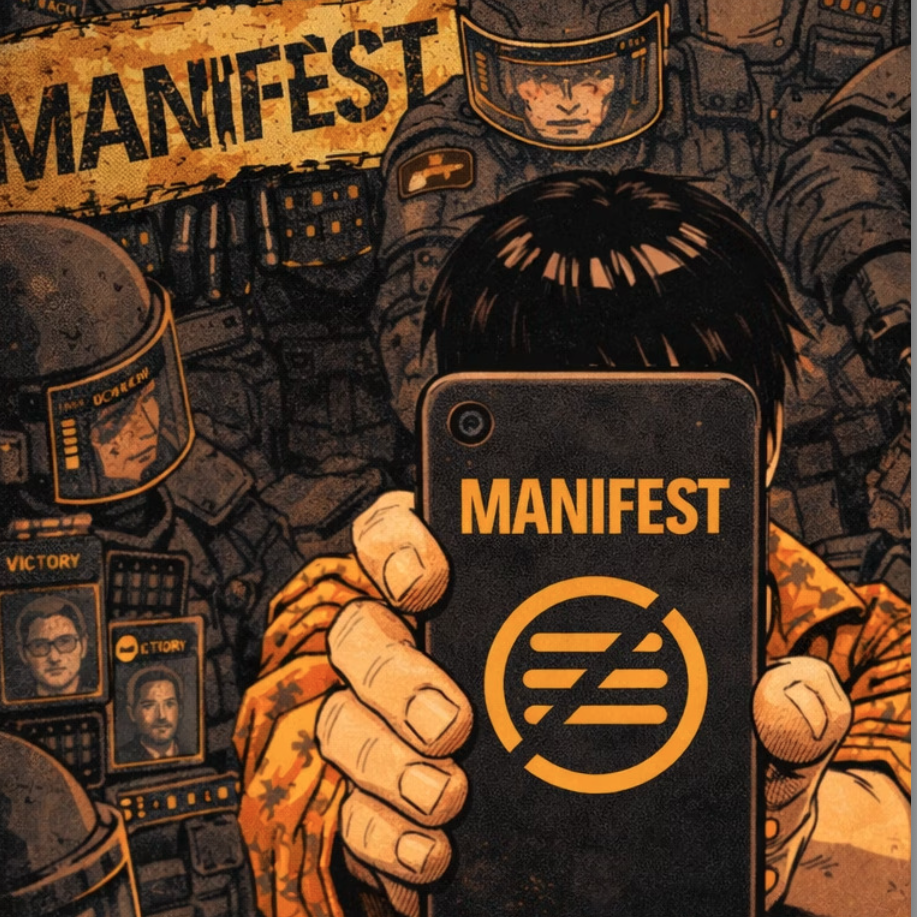
Manifest is a civic and cultural infrastructure platform conceived and led by Razali Samsudin. It explores how witness, memory and creative expression can be structured within digital environments to support accountability and collective narrative.
We took a Zoom recorder onto Auckland streets and conducted live interviews and recordings in order for people who make the street their home or workplace to be able to give us their perspective of living in the city.
We weaved the recordings together to create an audio journey through the heart of Auckland streets - illuminating and hard hitting at times, the audio journey also has moments of beautiful ambiance and allows one buskers notes to blend into another as the journey continues.
Winner of the Human Rights Commission Supreme Award for their Diversity In Action Programme, The PIYN (People In Your Neighbourhood) project created by Gareth Farry, involved aspiring artists and performers from Auckland’s ethnic communities, working with the best of contemporary UK talent, to create, celebrate and collaborate.
Translate the City is a project taking everyday cultural wisdom, stories and language idioms from the many different cultures in Auckland, and spreading them via translation and various activations to enhance connectedness and shared belonging in the city.
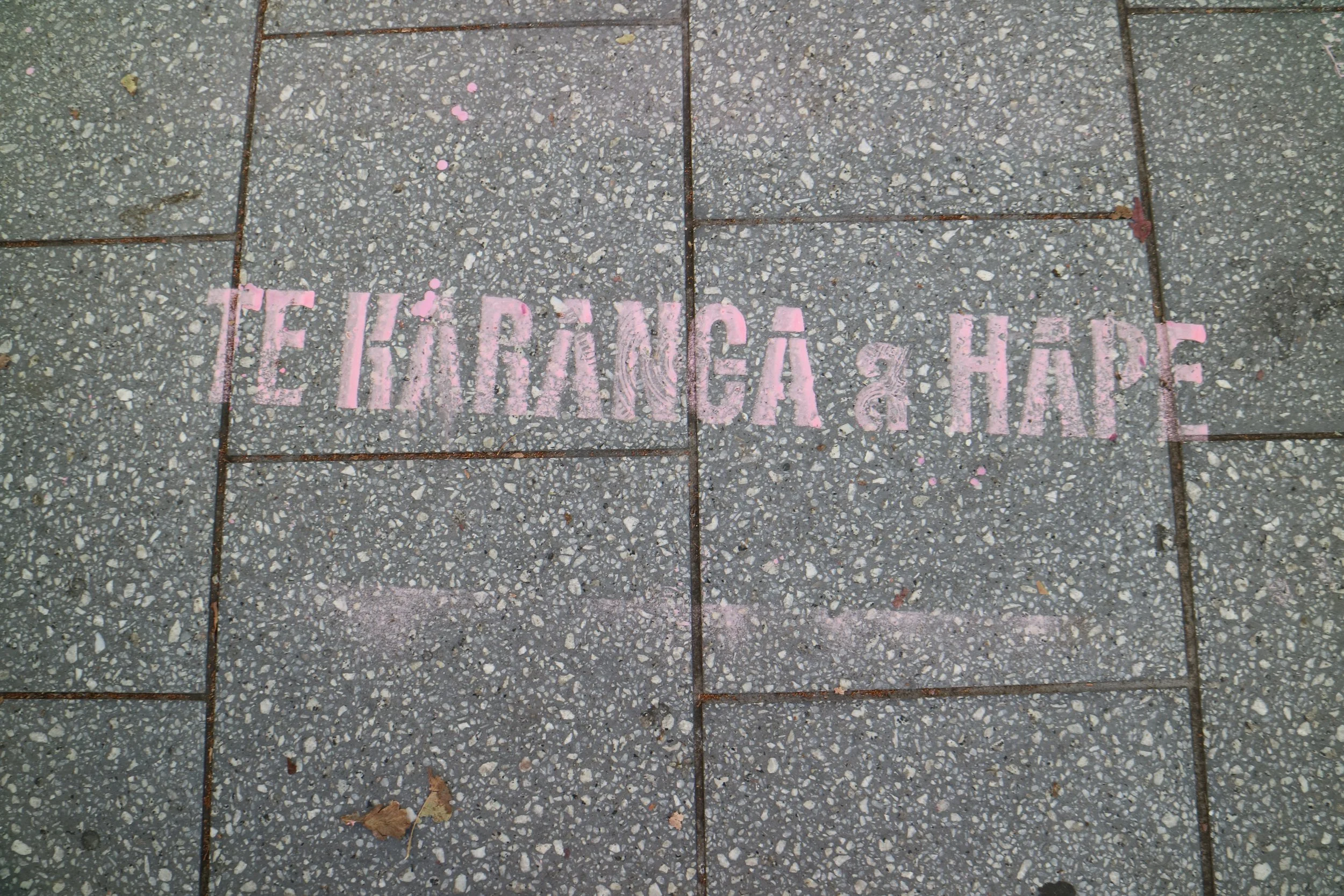
The Karangahape Road Business Association welcomed everybody to celebrate Matariki and the fresh new look of Karangahape Road at Te Karanga ā Hape, a progressive street-long party on Saturday 26 June 2021 from 3-8pm.
We worked with an amazing team of local creative producers alongside Karangahape Road businesses to create a packed schedule with more than 60 events and activities, full of sensory delights.
The event theme Te Ao Mārama / The Enlightened World, acknowledges the Matariki star cluster, plus the 1930s community project that first lit the strip with electric lighting, and the inclusive vibrancy of the area we love today.
Khuja Lounge was an iconic nightclub and venue on Auckland’s famous Karangahape “K” Rd from 1997-2013. Khuja was conceived as a melting pot of culture, music and style and came to define a generation of Pacific cool unparalleled in Auckland City at the time and since.
SILT is a long-term research and infrastructure project concerned with a deceptively simple question:
How is a person recognised as capable of acting, consenting, and binding themselves or others in law?
Modern identity systems rarely ask this directly. They assume legitimacy has already been settled somewhere else.
SILT moves upstream.